

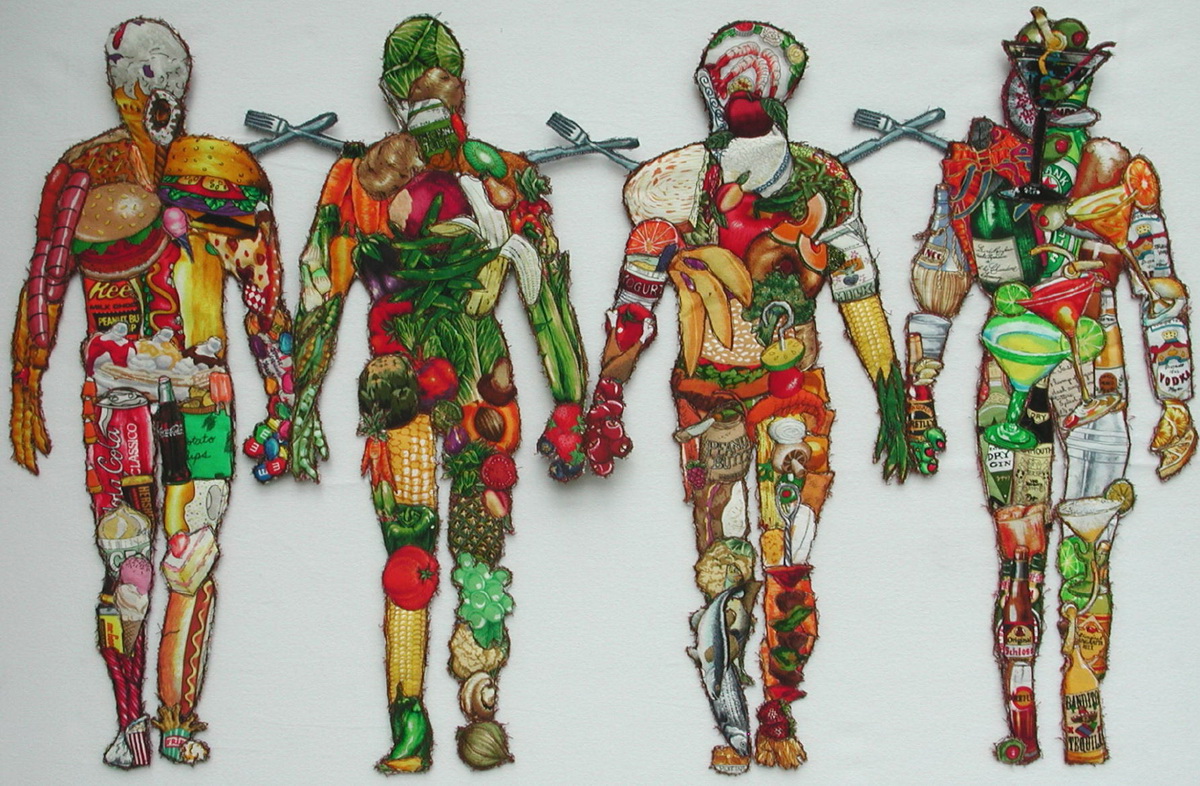
What We Eat
About what we eat is known to everyone. And practically everyone knows what food products consist of. Everyone has heard about proteins, fats, carbohydrates, and vitamins.
So, what’s next? Next comes the need to “dig” deeper – why does our body need these “proteins, fats, carbohydrates, and vitamins,” where and how exactly are they used? For our body to function stably, it must receive a large number of necessary substances – around 50 independent nutritional components (8 amino acids, vitamins, mineral substances, polyunsaturated fatty acids, etc.) and replaceable components synthesized from other parts of the diet (fats, carbohydrates, some amino acids). For these substances to be absorbed and useful, they must enter the body in specific ratios. It’s necessary to know and remember that essential components are not synthesized in the body but are obtained only from food.
The approximate ratio of proteins/fats/carbohydrates entering the body should look like this:
- for a sedentary lifestyle – 1/0.9/3.2
- with moderate physical activity – 1/1/4
- for heavy physical labor and athletes – 1/1/4.
To analyze your usual diet, you need to know the percentage ratio of nutrients obtained from food. The most optimal combination is: proteins – 14%, fats – 30%, carbohydrates – 56%. It’s important to know that of the total amount of proteins, 50-60% should be of animal origin, easily digestible carbohydrates (sucrose, fructose, lactose) – 20%, fiber – 5%, and starch – 75%. Vegetable oils should make up 20-25% of the total fat content.
What types of proteins, fats, and carbohydrates exist will be discussed a little later.
Many wonder: How many times a day is it necessary to eat for the normal functioning of the body?
For a healthy person, three main meals a day are sufficient. However, nutritionists recommend having snacks between them. Snacks are necessary so that in the evening, when sitting at the table, you don’t start consuming everything that “isn’t nailed down.” When the body receives the necessary amount of food throughout the day, the last meal goes smoothly and by all rules.
If you eat three times a day, the caloric content of the diet should be distributed as follows: for breakfast 30%, for lunch – 40-50%, for dinner – 20-25%. However, at least four meals per day are better for the body and are distributed as follows: for the first breakfast 25-30%, for the second – 10-15%, for lunch – 40-45%, for dinner – 20%.
With a two-meal plan, there can be no talk of weight loss or proper nutrition!
There are also some useful tips that everyone who is losing weight or monitoring their diet needs to know.
Nutritionists do not advise eating at night not only meat but also fish dishes. This is necessary because protein products increase the excitability of the central nervous system. In addition, your stomach will be digesting heavy protein all night. It often happens that after overeating meat at night, a person sleeps poorly, has nightmares, and wakes up completely unrefreshed in the morning. Therefore, meat, legumes, and fish dishes are better consumed in the first half of the day, including lunch, while in the evening, vegetable, grain, fruit, and dairy dishes are recommended, which do not overload the digestive organs. For a peaceful night’s sleep, it’s necessary to exclude coffee, tea, cocoa, chocolate, smoked meats, and spicy seasonings from your diet in the evening.
In general, it is essential to firmly understand that irregular and haphazard eating habits disrupt the function of digestive organs, worsen food absorption, and contribute to the development of various diseases.
Overeating causes drowsiness and a feeling of heaviness in the stomach. Prolonged overeating leads to obesity and premature aging.
Кол-во просмотров 611


Нет комментариев