

Problems of Hormonal Chicken
In recent decades, our diets have changed much more than in the previous 10,000 years. Let’s figure out how this affects our health and what is positive or negative about it?
According to scientists, in recent decades, the world has solved the problem of hunger – the amount of available food has increased. One would think, just live and enjoy. But, it’s not that simple! Food production has become mass-produced, and the majority of food is manufactured in large factories and plants. From a production perspective, this is economical, but it poses certain difficulties for human health.
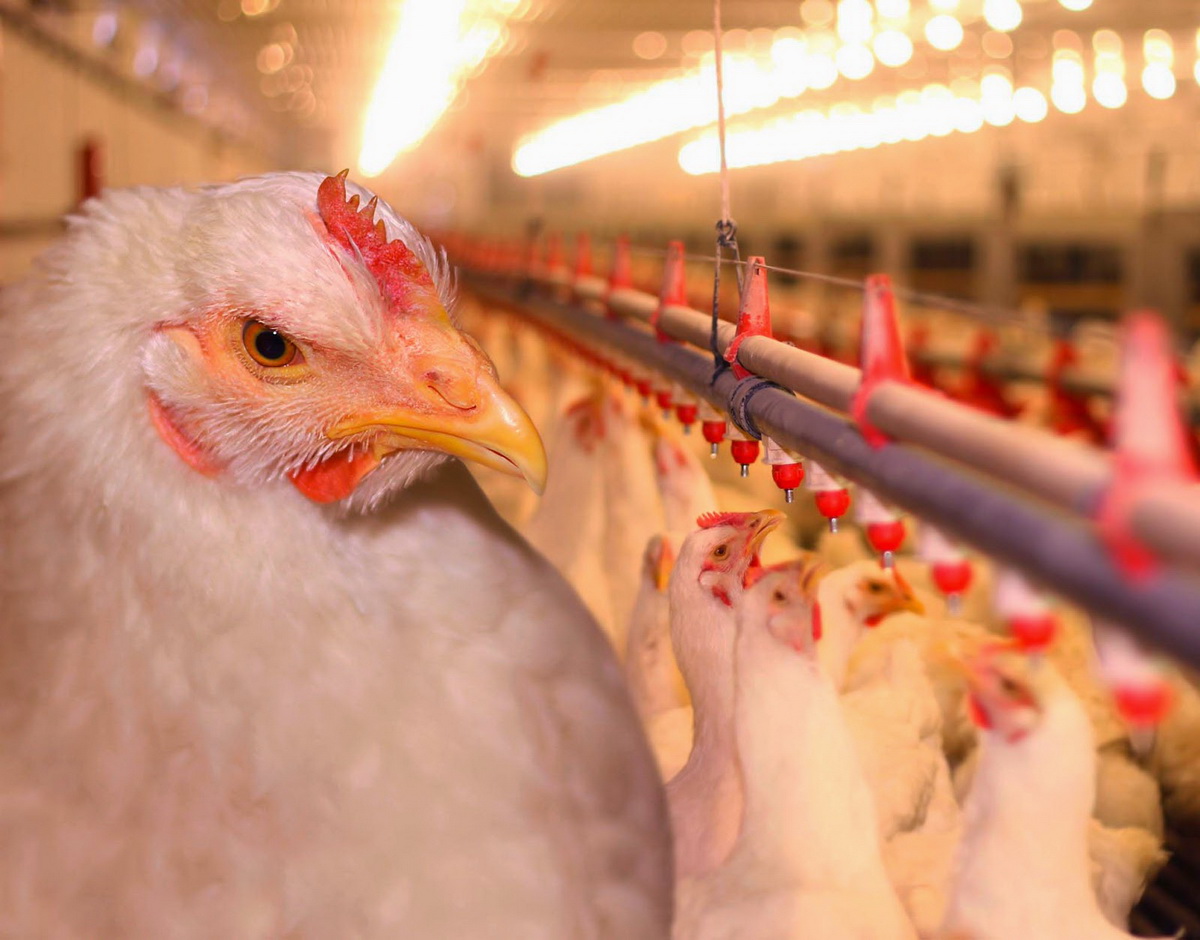
In the past, agriculture was mainly individual, for personal use – farmers cherished and cared for their livestock, trying to feed them well. Now, under conditions of industrial production, there is simply no opportunity to think about livestock; the main concern is that animals and poultry grow faster and weigh more. Scientists have found that in old times, chickens grew in about 70 days, while now it’s 48 days, and their weight has roughly doubled in favor of modern layers. This “acceleration” in growth occurs due to several factors: hormones are added to feed, and movement is practically non-existent. As a result, chickens gain weight faster, and their meat becomes tender.
The harm of excessive consumption of hormones and antibiotics has been known for a long time. Scientists warn that the human body cannot adapt so quickly to dietary changes. With the addition of hormones to animal feed, the endocrine balance can change; the body doesn’t manage to adapt to new supplements, leading to acceleration. Moreover, the composition of meat has changed significantly. A chicken raised in traditional village conditions contains only 2% fat, while one raised in industrial conditions has 22%. And this “new” fat is no longer harmless – it shifts the balance of saturated and unsaturated fatty acids. This threatens memory deterioration, plaque in blood vessels, and extra kilograms on the waist.
And let’s not even mention the fertilizers that are now added during plant cultivation—100 years ago, no one knew about them…
Our world is changing very rapidly, and accordingly, we are changing as well. Just in the middle of the last century, for good health, a person needed to consume 3,800 kcal per day. But with the advent of scientific and technological progress, people have lost the need for daily physical labor. We drive cars, wash clothes in washing machines, and go to offices for work. Consequently, the need for calories has also decreased – now, this figure is limited to 2,300 kcal, with dietitians recommending women not to exceed the norm of 1,800 kcal per day.
Scientists call obesity the epidemic of the 21st century. Lifestyle changes and the required amount of energy have occurred very quickly, almost in just one generation, and our thinking has not had time to adjust so rapidly. Our mothers and, especially, grandmothers firmly believe that one should eat as before – a soup, a main course, and a compote. As a result, inevitable weight gain occurs and harmful eating habits arise.

Moreover, the body’s need for essential nutrients has not decreased as much as for calories. Humanity is faced with a choice – either consume a large amount of food or restrict oneself. In both cases, there is a risk of gaining excess weight and developing various diseases. Due to the development of mass food production in recent decades, food has become much poorer in composition. The content of beneficial minerals and vitamins has been greatly reduced, while the amount of fat and harmful substances has increased exponentially due to various fertilizers and feed additives. All this leads to obesity, even when it comes to carrots!
There is another problem – humanity has learned to refine products. As a result, tasteless oil, unflavored bread, and flavorless sugar have appeared. Such products lead to an unpleasant result – due to the lack of necessary substances and natural flavors, various enhancers are added. This leads to overeating, excess weight, various digestive diseases, and even mental disorders.
And from all of the above, the question arises – what to do?
Firstly, there’s no need to panic! Secondly, there’s no need to refuse food and start fasting 🙂
The fact is that in the conditions of globalization, we can buy products grown in different countries. This means that we have the opportunity to diversify our diets with various fruits and vegetables produced in countries where it is summer all year round, and there’s no need to “stuff” plants with various fertilizers and chemicals to accelerate their growth. In other words, we can obtain a large number of vitamins and nutrients from exotic products.
Moreover, we know much more about proper nutrition than our ancestors. Accordingly, we can create menus and eat those products that help us feel good. Stores sell products with an “organic” label. This will help reduce the intake of various chemicals into the body. There’s also the option of buying products from farms or similar markets. In such places, the chance of buying “hormonal” chicken decreases. The main thing is to keep an eye on certificates and sanitation.
In stores, it’s easy to find various yogurts, juices, and bread enriched with bioactive substances. They are much healthier than regular products. And it’s also worth paying attention to unrefined products. Although they are more expensive than refined ones, the benefits for the body cannot be measured by money!
When visiting grocery aisles, think primarily about the usefulness of the products you’re buying. It’s essential to train yourself to carefully examine labels and choose only what is most necessary for you. Only then will good health accompany you consistently!
Кол-во просмотров 349


Нет комментариев