

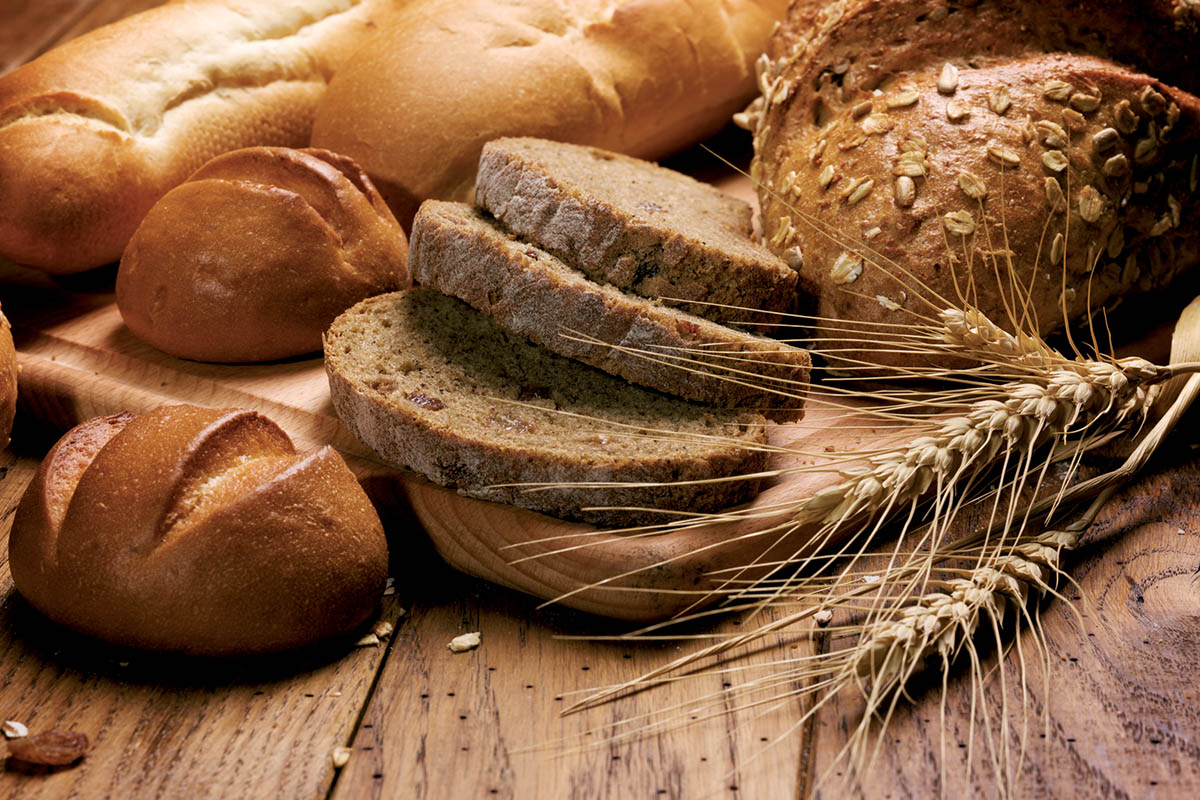
Bread for Weight Loss
Everyone who keeps an eye on their weight knows that nutrition should be full, balanced, and proper. But, very often, those who lose weight exclude
certain products from their diet, believing that this will help with weight loss. And the first thing that gets banned is bread.
To begin with, it is essential to define what bread is and what it is made of.
Grains are carbohydrates that the body needs as a source of energy. They provide a boost of vitality and the foundation for an active life. Today, we will talk about the benefits of rye bread specifically.
Rye is high in fiber and has a low glycemic index. Bread made from rye flour will energize you for a long time and strengthen your immune system. Rye flour bread is an ideal preventative measure against energy depletion in the body. Rye flour comes in three grades: sown, ground, and wholemeal. The most beneficial is wholemeal flour – it contains the maximum amount of bran. Therefore, bread made from whole grain rye flour is extremely beneficial for those looking to lose weight, as it stimulates metabolism, improves heart and stomach function, and lowers cholesterol levels in the blood. Additionally, rye flour helps eliminate excess salts and fluids from the body.
High-quality rye bread is a treasure trove of B vitamins, minerals, trace elements, and fiber.
Beneficial substances: vitamins B1, B2, B3, B5, B6, B9, B12, E; iron, potassium, calcium, magnesium, manganese, selenium, phosphorus, zinc.
Stores offer a wide variety of baked goods made from various types of flour. But if you study the label carefully, you can see that not all bread is equally healthy, especially for those watching their weight. To increase profit margins and make bread more accessible to most people, manufacturers often resort to various tricks. For this very reason, some baked goods can contain quite unusual ingredients:
– Soy flour – added to the dough to increase volume through water. The dough becomes soft, and its volume increases several times, which noticeably affects the quality.
– Citric acid (E330) – this synthetic enzyme is added instead of the natural one to regulate acidity. Some types of this substance can cause allergies.
– Sulfur dioxide (E220) – a very strong preservative that prevents mold growth. It can cause digestive issues and is not recommended for asthma sufferers.
– Calcium phosphate (E339-34) – another acidity regulator. It prevents calcium accumulation in the body.
– Cysteine (E920) – a component that improves dough structure but worsens the original composition and quality of flour.
– Emulsifiers (E481, E471, E482, E472, etc.) – intended to improve dough consistency but do not provide any health benefits.

The ideal option would be to bake bread at home. If you want to keep an eye on your health and figure, bake bread yourself. At least you will always know what it consists of. And in our time, when store shelves are filled with home helpers for every taste and budget, baking homemade bread is not something extraordinary 🙂
Good bread can and should be eaten! At a normal weight, consuming 200-250 grams a day will not be harmful. If you are watching your weight, the acceptable amount is 100-150 grams (three to four slices) a day. Enjoy!
Кол-во просмотров 326


Нет комментариев